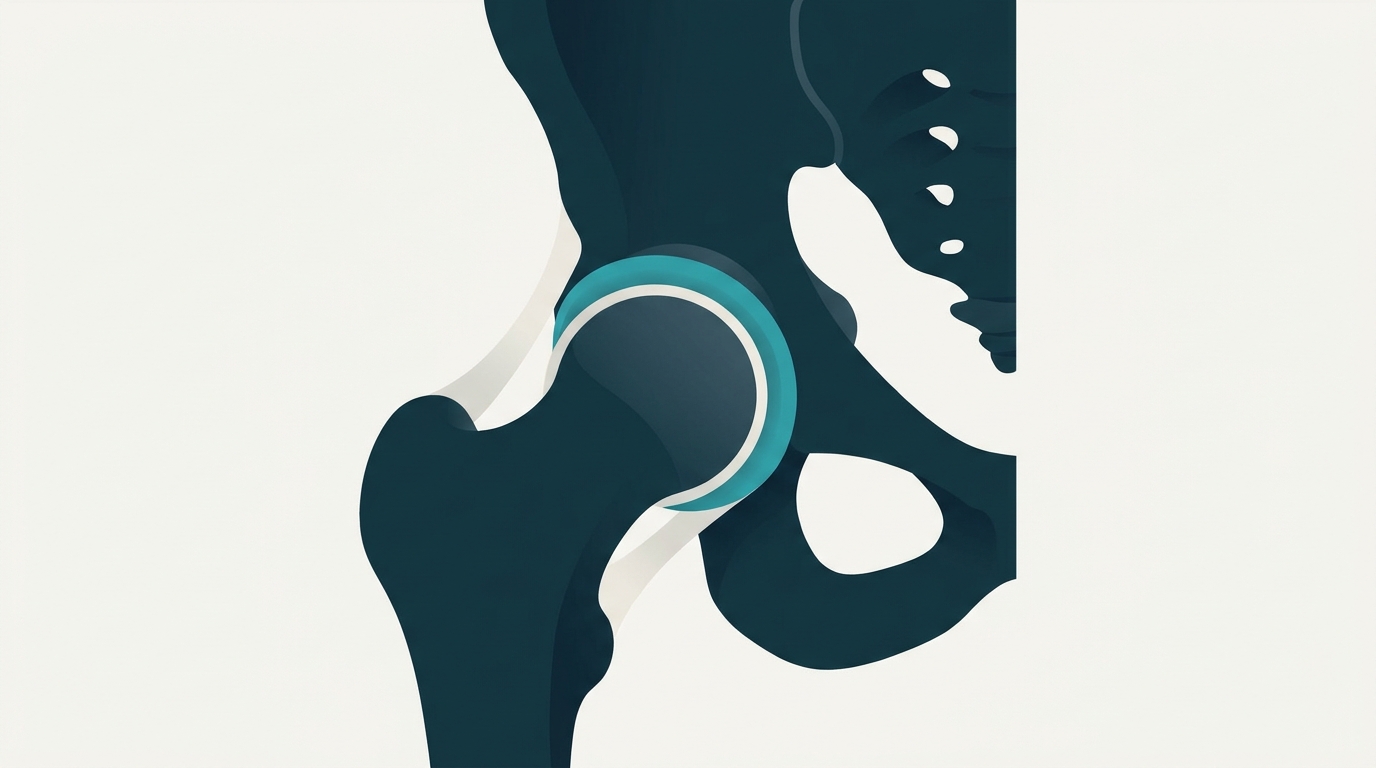
What is a hip labral tear?
The labrum is a rim of cartilage that deepens the hip socket and helps stabilise the joint. A hip labral tear causes deep groin or front-of-hip pain, sometimes with clicking, catching or a sense of the hip “giving way”. In many people, symptoms settle with structured rehabilitation — surgery is not the automatic answer.
Labral tears frequently occur alongside hip impingement (FAI), where the shape of the hip loads the labrum abnormally. That's why treating a labral tear well means addressing the whole hip — strength, control and how you load it — not just the tear on a scan.
Common symptoms
- Deep groin or front-of-hip pain, often with a “C” shape gripped around the hip
- Clicking, catching, or a feeling of locking or instability
- Pain with pivoting, twisting, deep squats or prolonged sitting
- Discomfort easing with rest but returning with load or sport
How labral tears are treated without surgery
A torn labrum rarely “knits back together”, but the pain it causes very often does settle when the hip is stronger, better controlled and loaded appropriately. The goal is a calm, capable hip — and for most people that is achievable without an operation.
Accurate diagnosis
A 60-minute assessment to confirm the labrum is the driver, identify any FAI, and rule out other sources of groin pain.
Calm the irritable hip
Adjusting provocative loads and positions so rehabilitation can build without constant flare-ups.
Build strength & control
Progressive hip, glute and trunk strengthening plus movement retraining, matched to your goals.
Return to sport & life
A graded return to the activities that matter to you, with a clear plan you understand.
When is surgery considered?
If a genuine rehabilitation programme has not settled a limiting labral tear, I arrange onward referral for imaging or a surgical opinion — so any decision to operate is an informed one, made after conservative care has had a fair trial.
Frequently asked questions
Can a hip labral tear heal without surgery?
Many are managed well without surgery. The labrum itself doesn't usually knit back together, but the pain very often settles with a structured programme that improves hip strength, control and load tolerance. Surgery is reserved for cases that stay limiting despite genuine rehabilitation.
Should I get a scan first?
Not necessarily. Labral changes are common on scans even in people without pain, so a scan alone rarely settles the plan. A thorough clinical assessment usually tells us more; imaging is arranged when it will genuinely change what we do.
How long does rehabilitation take?
Most programmes run over three to six months, with earlier improvements along the way. The timeline depends on symptom duration, your goals and consistency.
Can I be seen online?
Yes — labral-tear rehabilitation is well suited to online consultation, with in-person appointments available in London (Canary Wharf) and the Midlands (Ashby-de-la-Zouch).
Book a Labral Tear Assessment
London, Midlands or online. A clear diagnosis and a plan from the first appointment.
Book Now