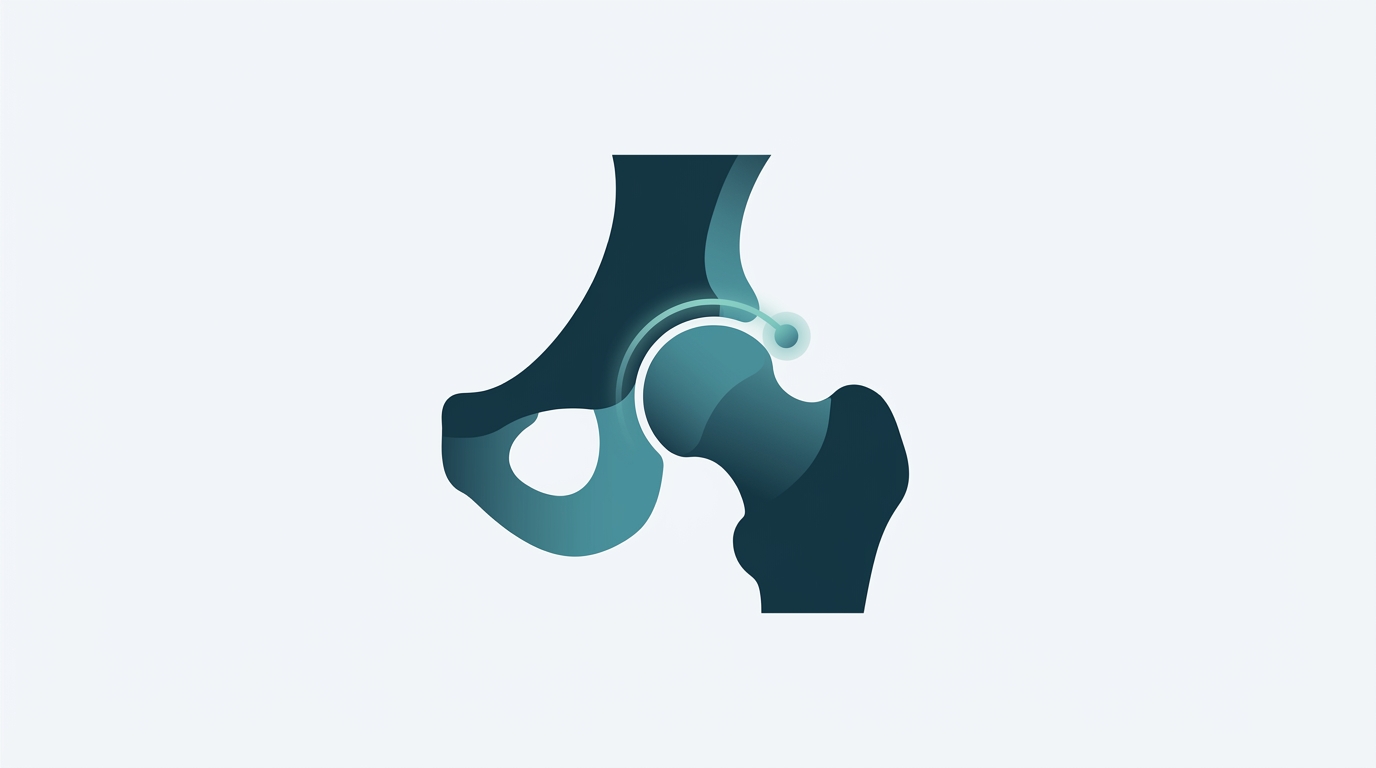
What is hip impingement (FAI)?
Femoroacetabular impingement (FAI) is abnormal contact between the ball and socket of the hip during movement, causing deep groin or front-of-hip pain — especially with sitting, squatting, pivoting or deep hip flexion. For most people it can be managed successfully without surgery through a structured rehabilitation programme.
FAI is common in active people and in sports involving repeated hip flexion and rotation — martial arts, football, weightlifting, running and cycling. Left unaddressed it can irritate the labrum and cartilage over time, which is why an accurate early diagnosis and a well-built rehabilitation plan matter.
Common symptoms
- Deep pain in the groin or at the front of the hip
- Pain after prolonged sitting, or with squatting and deep bends
- Pain or pinching when pivoting, twisting or bringing the knee up
- Occasional clicking, catching or a feeling of stiffness
- A gradual loss of range and confidence in the hip during sport
How FAI is treated without surgery
The evidence is clear that most symptomatic FAI improves with a genuine, progressive rehabilitation programme before surgery is ever considered. My role is to get the diagnosis right, then build and coach that programme with you.
Accurate assessment & diagnosis
A 60-minute assessment: detailed history, movement and strength testing, and a clear explanation of what is — and isn't — driving your pain.
Load management & symptom control
Settling the irritable hip by adjusting the activities and positions that provoke it, so rehabilitation can progress.
Targeted strengthening & movement retraining
Progressive hip, pelvic and trunk strengthening plus movement re-education, tailored to your sport and goals.
Return to full activity
A staged return to running, sport or training — with a plan you understand, not just a sheet of exercises.
When is imaging or a surgical opinion needed?
If a well-executed rehabilitation programme hasn't delivered, or the presentation suggests significant structural damage, I arrange onward referral for imaging or a surgical opinion — so surgery is a considered decision, not a default first step.
Frequently asked questions
Can hip impingement (FAI) be treated without surgery?
Yes. For most people FAI is managed successfully without surgery. A structured programme of targeted strengthening, movement retraining and load management resolves or controls symptoms in the majority of cases. Surgery is usually only considered when a genuine, well-rehabilitated programme has not helped and imaging confirms structural damage.
How long does FAI rehabilitation take?
A structured programme typically runs over three to six months, with meaningful improvement often felt earlier. The timeline depends on how long symptoms have been present, your goals and how consistently the programme is followed.
Do I need a scan before I start?
Not always. A thorough clinical assessment often gives enough to begin the right rehabilitation. Imaging is arranged when it will genuinely change the plan — not as a routine first step.
Can I be seen online?
Yes. FAI rehabilitation is well suited to online consultation. Many people are assessed and guided entirely by video, with in-person appointments available in London (Canary Wharf) and the Midlands (Ashby-de-la-Zouch) if preferred.
Book an FAI Assessment
London, Midlands or online. Clear diagnosis and a plan from your first appointment.
Book Now