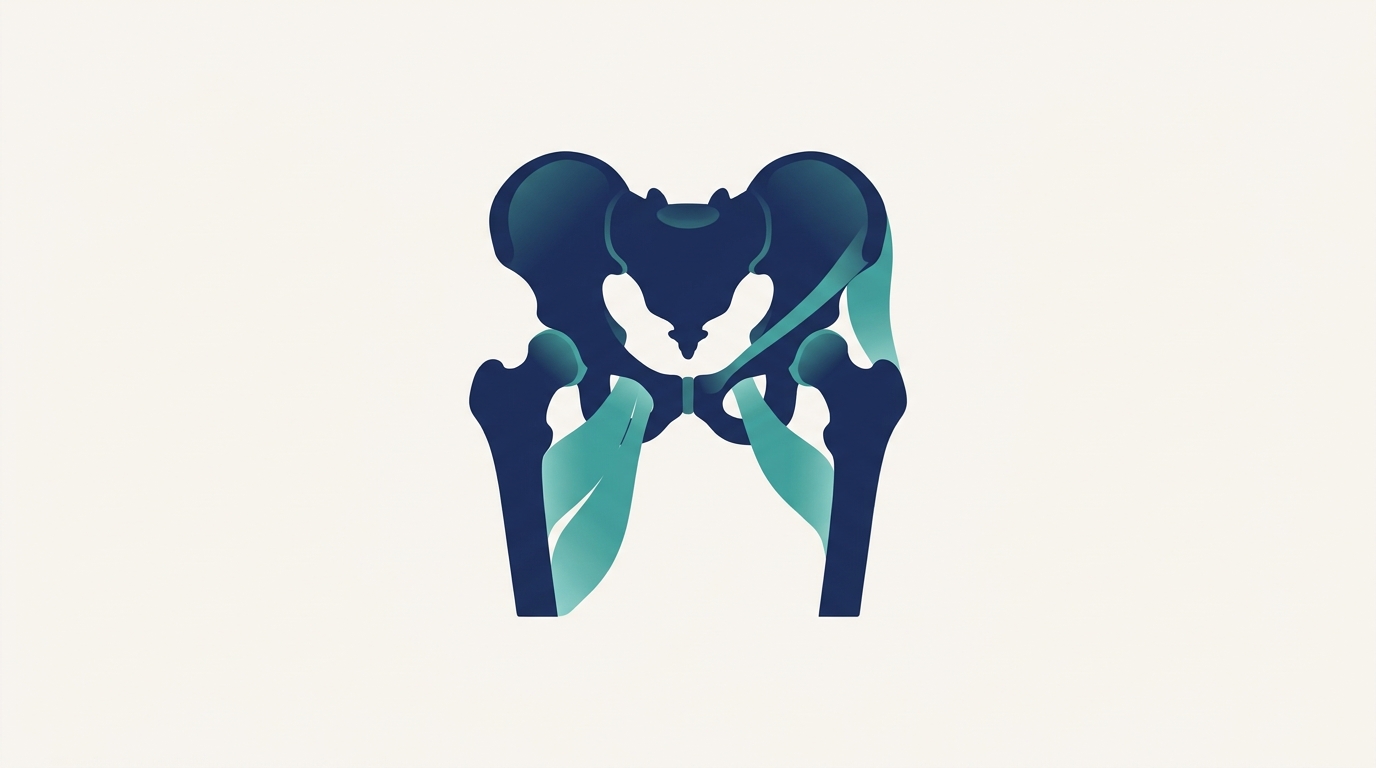
Which specialist should I see for chronic groin pain?
For most chronic groin pain, a specialist physiotherapist experienced in hip and groin is the right first port of call. The key is identifying which of five structures is driving the pain — adductor, iliopsoas, pubic, inguinal, or the hip joint itself — and rehabilitating it precisely. Get the diagnosis right and most groin pain settles without surgery.
Chronic groin pain is one of the most commonly misdiagnosed problems in sport and everyday life, because several structures sit close together and often overlap. A careful, systematic assessment is what separates a plan that works from months of guesswork.
The five common sources of groin pain
- Adductor-related — the inner-thigh muscles; common in kicking, cutting and change-of-direction sports
- Iliopsoas-related — the deep hip flexor; often felt with lifting the knee and prolonged sitting
- Pubic-related — the pubic bone and joint; load-related pain in running and multidirectional sport
- Inguinal-related — the inguinal region (sometimes called “sportsman's groin”)
- Hip-related — the hip joint itself, including FAI and labral tears
How chronic groin pain is treated
Once the source is clear, treatment is a structured, progressive rehabilitation programme — not a generic set of stretches. Most people improve steadily without surgery.
Systematic assessment
A 60-minute assessment to localise the pain to one or more of the five structures and understand how it's being loaded.
Settle & protect
Modifying the specific loads that provoke your groin, so it can calm enough to build.
Progressive loading
Targeted, graded strengthening of the involved structures — the treatment that resolves most groin pain in active people.
Return to sport
A staged return to running, cutting and your sport, built around your specific demands.
When is a surgical or imaging opinion needed?
Certain diagnoses (for example a true inguinal/“sportsman's” hernia) may need a surgical assessment. Where that's indicated, or where conservative care hasn't delivered, I arrange the appropriate onward referral.
Frequently asked questions
What causes chronic groin pain?
Usually one or more of five areas: the adductor muscles, the iliopsoas, the pubic bone and joint, the inguinal region, or the hip joint itself (including FAI and labral tears). Correctly identifying which structures are involved is the key to effective treatment.
Can chronic groin pain be treated without surgery?
Yes — most responds to a structured, progressive rehabilitation programme once the source is correctly identified. Surgery is only considered for specific diagnoses that haven't responded to genuine conservative care.
I'm an athlete — do you work with sports groin pain?
Yes. Groin pain is one of the most common problems in kicking, cutting and combat sports. Rehabilitation is built around the specific demands of your sport and a clear return-to-play plan.
Can I be seen online?
Yes — groin-pain assessment and rehabilitation work well by video, with in-person appointments available in London (Canary Wharf) and the Midlands (Ashby-de-la-Zouch).
Book a Groin Pain Assessment
London, Midlands or online. The right diagnosis and a plan from the first appointment.
Book Now